Many of the facts on Vitamin C is known because for many people it is usually the first vitamin they learn about at school. Here is some facts about it.

Kết quả hình ảnh cho vitamin c

  1. Vitamin C is sometimes used to treat colds, and in very large amounts can sometimes be used as an additional medicine to treat some cancers.
  2. Most plants and animals can actually make their own vitamin C. Humans, monkeys, and guinea pigs are among the very few that have to eat foods with vitamin C, as they can't make their own.
  3. Since guinea pigs can't make their own vitamin C, like humans, they were one of the first really useful animals for testing purposes. Testing with guinea pigs actually helped discover what vitamin C was, and also helped prove how it could cure scurvy, which at that time was a very serious disease.
  4. Vitamin C is the single most searched nutrient (vitamin, mineral or herb) on the Internet.
  5. The next fact we have on vitamin C is that because it is a water-soluble vitamin, your body will get rid of any excess within a 24-hour period of consumption.
  6. The fact that your body cannot store vitamin C means that you need your vitamin C from your meals and drinks every day. 
  7. One more facts on vitamin C is that humans vary greatly in their vitamin C requirement.
  8. It's possible for one person to need 10 times as much vitamin C as another person.
  9. The main reasons for this wide variation can be attributed to a person's age and health status.
  10. Our next vitamin C fact relates to how it interacts with other nutrients.
  11. Like many vitamins and minerals, vitamin C is most effective when combined with other nutrients because it has significant interactions with several key minerals in the body.
  12. Vitamin C can for example significantly improve your ability to digest and absorb the essential mineral iron.
  13. It is also involved in the regeneration of vitamin E and these two vitamins appear to work together in their antioxidant effect.
  14. Vitamin C detoxifies pollutants in your blood
  15. Vitamin C's most important benefit is probably its role as a powerful water-soluble antioxidant in the human body.
  16. In this role it protects the health and integrity of our cells by preventing oxygen-based damage and by detoxifying pollutants in the blood.
  17. Another benefit of vitamin C is that it protects us against cardiovascular diseases by facilitating fat metabolism.
  18. It provides protection against certain cancers, joint diseases and cataracts, which are all associated with vitamin C deficiency.
  19. The body's immune and detoxification systems make special use of vitamin C ability to combat free radicals.
  20. In this role it helps neutralize the effects of nitrites which are dangerous preservatives found in some processed foods.
Would you like to see random fact of the day
Vitamin C deficiency is rare because almost all the foods that we include in our diet contain some amount of Vitamin C. Smoking cigarettes lowers the absorption of Vitamin C, so smokers have a higher risk of Vitamin C deficiency.
  1. Dry and splitting hair.
  2. Gingivitis or inflammation of gums,bleeding of gums, rough, dry and scaly skin.
  3. Reduction of the wound healing rate, easy bruising, nosebleed.
  4. Decreased ability to ward off infections.
  5. The most severe form of Vitamin C deficiency is scurvy. Scurvy leads to the formation of liver spots on the skin, spongy gums and bleeding from mucous membranes. A person with this ailment looks pale, feels depressed and is partially immobilised. In advanced scurvy, there are open wounds that subsequently lead to loss of teeth and, eventually, death.
  6. Low levels of Vitamin C may lead to high blood pressure, gallbladder disease, stroke, cancer and atherosclerosis, the build-up of plaque that can lead to heart attack and stroke. Make sure you eat enough Vitamin C foods to reduce the risk of developing these conditions.
For other amazing news: single malt scotch
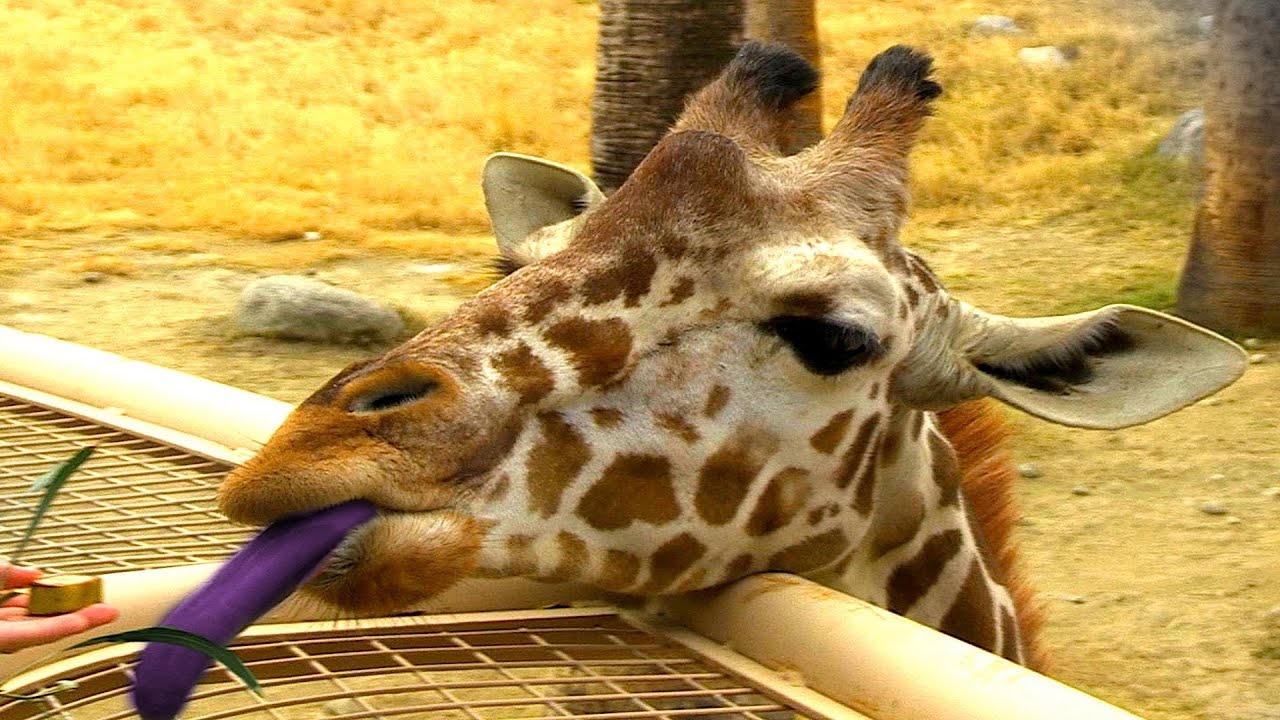
Do giraffes have blue tongues? The answer lies in this writing. Let's see to discover the best answer for this amazing question

Kết quả hình ảnh cho Why do giraffes have blue tongues?

Melanin, which creates dark pigmentation in skin, is responsible for giraffe tongues' dark color. Although it is unknown exactly why giraffes have tongues that appear blue, purple and sometimes almost black, scientists believe that the animals' tongues have evolved this way for sun protection.
Related to: giraffe baby

Kết quả hình ảnh cho Why do giraffes have blue tongues?

Giraffes have prehensile tongues that wrap around leaves and can grow to be up to 20 inches in length. When feeding, the animals' tongues are frequently out of their mouths and exposed to sunlight, so the dark coloration serves to prevent them from getting sunburned. The underside of giraffes' tongues is a light pink color because it does not get as much sun and therefore needs less protection.

Vitamin c foods may be the most familiar of all of the nutrients. Keep reading to know more about the highest foods that concludes vitamin C

1: Peppers (Yellow Bell Peppers)

Vitamin C in 100g Per 10 strips (52g) Per large pepper (186g)
183.5mg (306% DV) 95.4mg (159% DV) 341.3mg (569% DV)
Other Peppers High in Vitamin C (%DV per large pepper):Sweet Red Peppers (349%), and Sweet Green Peppers (220%). Click to see complete nutrition facts.


2: Guavas 

Vitamin C in 100g Per cup (165g) Per fruit (55g)
228.3mg (381% DV) 376.7mg (628% DV) 125.6mg (209% DV)


3: Dark Green Leafy Vegetables (Kale)

Vitamin C in 100g Per cup chopped (67g)
120mg (200% DV) 80.4mg (134% DV)
Other Dark Green Leafy Vegetables High in Vitamin C (%DV per cup, chopped): Turnip Greens (55%), Swiss Chard (18%), and Spinach (14%). Click to see complete nutrition facts.


4: Kiwifruit (Green)

Vitamin C in 100g Per cup, sliced (180g) Per fruit (69g)
92.7mg (155% DV) 166.9mg (278% DV) 64mg (107% DV)
Gold Kiwifruit are also High in Vitamin C (%DV per fruit):(151%). Click to see complete nutrition facts.


5: Broccoli

Vitamin C in 100g Per cup chopped (92g)
89.2mg (149% DV) 81.2mg (135% DV)
Other Brassica Vegetables High in Vitamin C (%DV per cup): Brussels Sprouts (125%), Green Cauliflower (94%), Cauliflower (86%), Red Cabbage (85%), and Cabbage (60%). Click to see complete nutrition facts.


6: Berries (Strawberries)

Vitamin C in 100g Per cup sliced (166g) 1 large strawberry (18g)
58.8mg (98% DV) 97.6mg (163% DV) 10.6mg (18% DV)
Other Berries High in Vitamin C (%DV per cup): Raspberries (54%), Blackberries (50%) and Blueberries (24%).

Video games, one of the most popular and favorite recreational activities for people of all ages all over the world. Do you like playing video games? If you are, those facts listed below here must be something you'll enjoy.

  • Video games can be played on different platforms including game consoles, handheld systems, computers, mobile phones, and many others.
  • The first coin operated video games were introduced in the 1970s with titles such as “Computer Space”, “Pong” gaining popularity.
  • Popular game consoles that dominate the current markets include the Nintendo Wii, Microsoft Xbox 360, and Sony PlayStation 3. The three companies are battling to gain the attention of gamers in the competitive gaming industry
  • The bushes and clouds in Super Mario Bros. are the same thing, just different colors. 
  • If you look hard enough, you may spot Pac-Man in the Disney movie Tron.
  • Pac-Man video game developer, Toru Iwatani revealed that the character was designed to appeal to women. 
  • Sonic the Hedgehog video game originally had a human girlfriend named Madonna.
  • Sony PlayStation was originally planned as a CD-ROM add-on for the Super Nintendo. 
  • Do you remember visiting the Goldenrod City gym in Pokémon Gold/Silver? The design is actually a Clefairy.
  • Nintendo of America is the majority owner of the Seattle Mariners. 
  • Before Leon fought for his life in the European villages of Resident Evil 4, Capcom created four different versions of the title. One of the scrapped versions eventually found life as another popular Capcom franchise, Devil May Cry.
  • Gordon Freeman wasn’t always the hero of Half-Life. Early versions of the game had players assuming the role of “Ivan the Space Biker”. Thankfully, Valve came to their senses. 
  • In Super Mario 64, Boo’s laugh is actually a sped up version of Bowser’s laugh. 
  • The Legend of Zelda’s beta version gives players the choice between a sword and a boomerang at the beginning. 
  • Tingle from the Zelda video game series looks suspiciously like series composer Koji Kondo. 
  • Sonic the Hedgehog’s debug mode reveals an unused item, air goggles. These goggles would allow Sonic to breathe underwater.
  • Half-Life 2 Episode 2 features a hidden room inspired by the television show “Lost”. Desmond, push the button.
  • Making video games has become big business and creating a high quality game often takes the input of a large number of game developers for the game to be successful. As well as a high number of graphic designers and programmers, other skills such as management, writing and music are also important to the final product.
Hope that all the facts above are enjoyable to you. For more great game facts, games reviews, you can visit this review journal for the latest updates and information.
So without further ado, here are about amazing animal facts what pets can impact on human physical health that you are looking for

Kết quả hình ảnh cho play with pets

Companion animals may improve heart health by lowering blood pressure and regulating the heart rate during stressful situations. In a 2002 study, researchers measured changes in heart rate and blood pressure among people who had a dog or cat, compared to those who did not, when participants were under stress (performing a timed math task). People with a dog or cat had lower resting heart rates and blood pressure measures at the beginning of the experiment than non-pet owners. People with a dog or cat were also less likely to have spikes in heart rates and blood pressure while performing the math task, and their heart rates and blood pressure returned to normal more quickly.They also made fewer errors in their math when their pet was present in the room. All these findings indicated that having a dog or cat lowered the risk of heart disease, as well as lowering stress so that performance improved.

A similar study found that having your dog in the room lowered blood pressure better than taking a popular type of blood pressure medication (ACE inhibitor) when you are under stress. Other research has indicated that the simple act of stroking a pet can help lower blood pressure and cholesterol.

Children’s exposure to companion animals may also ease anxiety. For example, one study measured blood pressure, heart rate, and behavioral distress in healthy children aged 3 to 6 at two different doctor visits for routine physicals. At one visit, a dog (unrelated to the child) was present in the room and at the other visit the dog was absent. When the dog was present, children had lower blood pressure measures, lower heart rates, and less behavioral distress. However, research on the health benefits of child and animal interaction is still limited. Further research is needed on how pets influence child development and specific health outcomes.

Findings suggest that the social support a pet provides can make a person feel more relaxed and decrease stress. Social support from friends and family can have similar benefits, but interpersonal relationships often cause stress as well, whereas pets may be less likely to cause stress. The social support provided by a pet might also encourage more social interactions with people, reducing feelings of isolation or loneliness. For example, walking with a dog has been found to increase social interaction, especially with strangers, compared to walking without a dog.

Kết quả hình ảnh cho play with pets

Among elderly people, pet ownership might also be an important source of social support that enhances well-being. In one study, elderly individuals that had a dog or cat were better able to perform certain physical activities deemed “activities of daily living,” such as the ability to climb stairs; bend, kneel, or stoop; take medication; prepare meals; and bathe and dress oneself. There were not significant differences between dog and cat owners in their abilities to perform these activities. Neither the length of time of having a dog or cat nor the level of attachment to the animal influenced performance abilities. Companion animals did not seem to have an impact on psychological health but researchers suggested that a care-taking role may give older individuals a sense of responsibility and purpose that contributes to their overall well-being.
Also see plant facts

A large German study collected pet information (dog, cat, horse, fish, bird or other pet ownership) from over 9,000 people at two different times (1996 and 2001). The survey included a number of health, economic, and labor issues, so that respondents would not realize the researchers’ interest in a link between pets and health. Researchers found that people who said they had a pet in both 1996 and 2001 had the fewest doctor visits, followed by people who had acquired a pet by 2001; the group of people who did not have a pet at either time had the highest number of doctor visits. Similarly, a study of women in China found that those who were dog owners had fewer doctor visits, took fewer days off sick from work, and exercised more often than non-dog owners.

Research on allergies and asthma is mixed. Some studies show that having a cat might increase allergen sensitivity, while others show it might protect against cat allergies. Having a dog might not influence or might protect against specific dog allergies. A 2013 study found that mice were protected against allergies when they were exposed to dust that came from homes with dogs. The researchers discovered that the protective effect was due to a certain type of gut bacteria that is often present in people with dogs. More research is needed on the connection between allergies, asthma, and pets, but it is possible that the impact of having pets on allergies may depend on the age of the person at the time they are exposed to an animal as well as the type of pet. For example, 6 and 7 year old children who lived with a bird during their first year of life were more likely to have respiratory symptoms like wheezing compared to children who did not have a bird in the home as an infant. Likewise, researchers say that the timing of when a pet is in the family is also important. Children with dogs or cats in their home during the first year of life are less likely to develop allergies in childhood.

As is true with any relationship, some human-pet relationships are likely to be more rewarding than others. Some people are more attached to their pets than others and those feelings could influence the impact of the pet on the person’s health. Other factors such as gender and marital status may play a role. For example, one study found that dog ownership was associated with lower rates of depression among women, but not men, and among single individuals but not married people. So, while pet ownership might have a positive impact on well-being for some people, it doesn’t affect everyone the same way.

How much do you know about penguin facts? Do you know why Penguins are birds but can't fly? Here is answer

Unlike most birds who take to the sky to get around, penguins have adapted to be excellent swimmers and divers. Penguins evolved from ancestors who could fly, but adapted to diving and swimming. While they may not be able to fly through the air, they are experts at flying through the water.


Diving

Penguins are expert divers, with species like the Emperor penguin capable of plunging 1,500 feet under water. In order to accomplish this feat, their wings are structured differently from flying birds. They have short, stubby wings that act more like flippers than the wings of flying birds. Unlike most birds that swim, penguins use their modified wings to propel themselves rather than their feet. A small wingspan reduces drag when they are diving. Dense, solid bones, not hollow, allow them to dive rather than just float on the water.

Energy Efficient
Read more: elephants for kids

While no other species of bird are capable of swimming quite like penguins, there are some birds that swim and still manage to fly. The thick-billed murre is a bird that is closely related to penguins, but is capable of flight as well as the ability to swim. It requires a lot of energy for the murre to fly, having to beat its wings much faster than other flying birds in order to take to the air. According to National Geographic, the thick-billed murre uses more energy than any other bird in order to fly. At some point during the penguin’s evolutionary history, it was more energy efficient for penguins to give up flying all together and focus their energy instead on diving and swimming to capture food.


Access to Food

Another reason penguins lost their ability to fly was to become more competitive for food under water. By being more efficient divers, penguins were able to access deeper depths than other seabirds. This gave them access to food sources other birds weren’t capable of reaching. Penguins spend as much as 75 percent of the lives in the water, coming on shore for molting and breeding. Penguins eat krill, squid or fish depending on the species, and only eat while at sea. During their time on land, penguins fast.

Too Big

Part of what prevents a penguin from being able to fly is their large bodies. Penguins’ larger bodies facilitate in diving deeper and longer. Unfortunately, their heavier bodies make them too heavy to fly. A larger body also helps keep penguins insulated in the freezing cold waters they dive into. Their unique body shape is streamlined for gliding through the water.

You might be like to see interesting animal facts