Hiển thị các bài đăng có nhãn HEALTH. Hiển thị tất cả bài đăng

What is Cherophobia and the symptom? Let's along with us find out the best answer


What is Cherophobia?

Cherophobia is the fear of gaiety, happiness, joyfulness or rejoicing. The origin of the word chero is Greek (meaning to rejoice; gaiety or happiness) and phobia is Greek (meaning fear). Cherophobia is considered to be a specific phobia, which is discussed on the home page. . How much do you know about tiger facts?

What are the causes?

It is generally accepted that phobias arise from a combination of external events (i.e. traumatic events) and internal predispositions (i.e. heredity or genetics). Many specific phobias can be traced back to a specific triggering event, usually a traumatic experience at an early age. Social phobias and agoraphobia have more complex causes that are not entirely known at this time. It is believed that heredity, genetics, and brain chemistry combine with life-experiences to play a major role in the development of phobias. (Wikipedia - phobia).

What are the symptoms?

As with any phobia, the symptoms vary by person depending on their level of fear. The symptoms typically include extreme anxiety, dread and anything associated with panic such as shortness of breath, rapid breathing, irregular heartbeat, sweating, excessive sweating, nausea, dry mouth, nausea, inability to articulate words or sentences, dry mouth and shaking. . That might be one of the most awesome interesting facts ever.

Can I take medicine?

Medicine can be prescribed, but please note that these medications can have side effects and/or withdrawal systems that can be severe. It is also important to note that medicines do not cure phobias, at best they only temporarily suppress the systems. However, there are treatments for phobias, which include counseling, hypnotherapy, psychotherapy, and Neuro-Linguistic programming. Please click on the link at the top of the page called “Treatment Information” to find out more information on these types of treatments. Take a quick look at funny pictures with captions that can help you reduce stress quickly.
Many of the facts on Vitamin C is known because for many people it is usually the first vitamin they learn about at school. Here is some facts about it.

Kết quả hình ảnh cho vitamin c

  1. Vitamin C is sometimes used to treat colds, and in very large amounts can sometimes be used as an additional medicine to treat some cancers.
  2. Most plants and animals can actually make their own vitamin C. Humans, monkeys, and guinea pigs are among the very few that have to eat foods with vitamin C, as they can't make their own.
  3. Since guinea pigs can't make their own vitamin C, like humans, they were one of the first really useful animals for testing purposes. Testing with guinea pigs actually helped discover what vitamin C was, and also helped prove how it could cure scurvy, which at that time was a very serious disease.
  4. Vitamin C is the single most searched nutrient (vitamin, mineral or herb) on the Internet.
  5. The next fact we have on vitamin C is that because it is a water-soluble vitamin, your body will get rid of any excess within a 24-hour period of consumption.
  6. The fact that your body cannot store vitamin C means that you need your vitamin C from your meals and drinks every day. 
  7. One more facts on vitamin C is that humans vary greatly in their vitamin C requirement.
  8. It's possible for one person to need 10 times as much vitamin C as another person.
  9. The main reasons for this wide variation can be attributed to a person's age and health status.
  10. Our next vitamin C fact relates to how it interacts with other nutrients.
  11. Like many vitamins and minerals, vitamin C is most effective when combined with other nutrients because it has significant interactions with several key minerals in the body.
  12. Vitamin C can for example significantly improve your ability to digest and absorb the essential mineral iron.
  13. It is also involved in the regeneration of vitamin E and these two vitamins appear to work together in their antioxidant effect.
  14. Vitamin C detoxifies pollutants in your blood
  15. Vitamin C's most important benefit is probably its role as a powerful water-soluble antioxidant in the human body.
  16. In this role it protects the health and integrity of our cells by preventing oxygen-based damage and by detoxifying pollutants in the blood.
  17. Another benefit of vitamin C is that it protects us against cardiovascular diseases by facilitating fat metabolism.
  18. It provides protection against certain cancers, joint diseases and cataracts, which are all associated with vitamin C deficiency.
  19. The body's immune and detoxification systems make special use of vitamin C ability to combat free radicals.
  20. In this role it helps neutralize the effects of nitrites which are dangerous preservatives found in some processed foods.
Would you like to see random fact of the day
Vitamin c foods may be the most familiar of all of the nutrients. Keep reading to know more about the highest foods that concludes vitamin C

1: Peppers (Yellow Bell Peppers)

Vitamin C in 100g Per 10 strips (52g) Per large pepper (186g)
183.5mg (306% DV) 95.4mg (159% DV) 341.3mg (569% DV)
Other Peppers High in Vitamin C (%DV per large pepper):Sweet Red Peppers (349%), and Sweet Green Peppers (220%). Click to see complete nutrition facts.


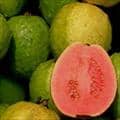
2: Guavas 

Vitamin C in 100g Per cup (165g) Per fruit (55g)
228.3mg (381% DV) 376.7mg (628% DV) 125.6mg (209% DV)


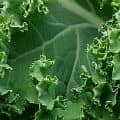
3: Dark Green Leafy Vegetables (Kale)

Vitamin C in 100g Per cup chopped (67g)
120mg (200% DV) 80.4mg (134% DV)
Other Dark Green Leafy Vegetables High in Vitamin C (%DV per cup, chopped): Turnip Greens (55%), Swiss Chard (18%), and Spinach (14%). Click to see complete nutrition facts.


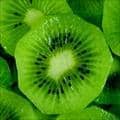
4: Kiwifruit (Green)

Vitamin C in 100g Per cup, sliced (180g) Per fruit (69g)
92.7mg (155% DV) 166.9mg (278% DV) 64mg (107% DV)
Gold Kiwifruit are also High in Vitamin C (%DV per fruit):(151%). Click to see complete nutrition facts.


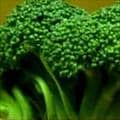
5: Broccoli

Vitamin C in 100g Per cup chopped (92g)
89.2mg (149% DV) 81.2mg (135% DV)
Other Brassica Vegetables High in Vitamin C (%DV per cup): Brussels Sprouts (125%), Green Cauliflower (94%), Cauliflower (86%), Red Cabbage (85%), and Cabbage (60%). Click to see complete nutrition facts.


6: Berries (Strawberries)

Vitamin C in 100g Per cup sliced (166g) 1 large strawberry (18g)
58.8mg (98% DV) 97.6mg (163% DV) 10.6mg (18% DV)
Other Berries High in Vitamin C (%DV per cup): Raspberries (54%), Blackberries (50%) and Blueberries (24%).

Eggs are one of the most nutritious foods money can buy - they are a natural source of many nutrients including high quality protein, vitamins and minerals. A medium egg contains less than 70 calories.
Eggs are naturally rich in vitamin B2 (riboflavin), vitamin B12, vitamin D, selenium and iodine. They also contain vitamin A and a number of other B vitamins including folate, biotin, pantothenic acid and choline, and essential minerals and trace elements, including phosphorus.

For more information on the specific nutrients found in eggs, please visit the sections below. If you are a health professional or journalist, visit our health professionals section.

Egg nutrition information

How many calories are there in an egg? How much protein? See our nutritional information table and get the facts.

Vitamins and minerals

For further details of the vitamins and minerals in an egg, and their benefits.

Fats

Eggs contain some fat, an essential part of the diet. Find out more about the fatty acids in eggs here
  • By the way, check out information about cats to explore science interesting facts about cat species. Everything you wanted to know
Proteins

Eggs are a good source of high quality protein. Find out more about the protein in eggs in this section

Cholesterol

Advice on eggs and cholesterol has changed – find out more here

Egg white and yolk nutrition

Find out more about egg white nutrition and egg yolk nutrition, including the vitamins, minerals, essential fats and proteins found in each, and their benefits.